
Forum for Social Innovation Sweden Forum for Social Innovation Sweden and established nationwide. Jönköping University, Luleå University of Technology, Malmö University, Stockholm University, Umeå University, and Örebro University are the main partners in this initiative, which is being carried out with support from Vinnova, Sweden’s innovation agency. The six universities will host regional hubs that will be brought together under the name Forum for Social Innovation Sweden. This means that Malmö University will host Forum for Social Innovation Sweden , which is being established in close collaboration with the City of Malmö.
Since 2010, Malmö University has run Forum for Social Innovation Sweden in collaboration with a number of different stakeholders, and since 2014 in partnership with the City of Malmö. The purpose of Forum for Social Innovation Sweden to serve as the central national knowledge hub for social innovation, social entrepreneurship, and social enterprise.
In this new initiative, Forum for Social Innovation Sweden will Forum for Social Innovation Sweden the coordinator for the national effort, and Malmö University will host theForum for Social Innovation Sweden node, which is intended to strengthen the development of social innovation in southern Sweden. Generating and sharing knowledge is the core mission of higher education institutions. Collaboration with other stakeholders is an important part of higher education institutions’ mission, and it is also of great importance to develop methods and tools that create the conditions for realizing more social innovations.
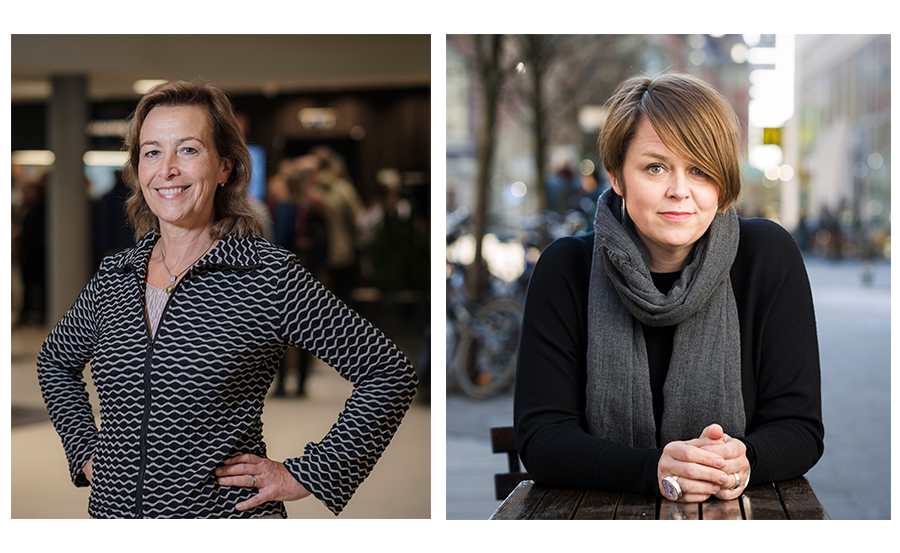
– For Malmö University, social innovation is a key focus area.The university has built up and hosted Forum for Social Innovation Sweden its inception in 2010. It is valuable that work on social innovation is now taking on a more prominent role on the national stage. As interest in social innovation grows, we also want to meet this demand. We are now beginning the work of developing a model that will allow multiple stakeholders—including universities and other relevant parties—to join forces and thus take a coordinated approach to knowledge development and the needs specific to our region,” saysKerstin Tham, Vice Chancellor at Malmö University.
Forum for Social Innovation Sweden will be developed by engaging regional businesses, innovation promoters, universities, municipalities, non-profit organizations, government agencies, and other key stakeholders in the region’s development. The regional efforts will be carried out in close collaboration with the City of Malmö, which identified social innovation as a key area for development at an early stage.
“Given our experience in Malmö with the collaboration within the Hub for Social Innovation, I can only congratulate Jönköping, Luleå, Stockholm, Umeå, and Örebro, where more hubs for social innovation are now set to be established. Social innovations play a crucial role in the work toward Agenda 2030 and achieving the UN’s Sustainable Development Goals. Many societal challenges can be solved through social innovation, and this requires collaboration and commitment from the business community, academia, and the public sector, says Katrin Stjernfeldt Jammeh, Chair of the Malmö City Council.
MSI’s national efforts in Malmö will also gain further momentum and reach through a physical presence in Stockholm. The work within the knowledge platform will focus on identifying needs for new knowledge in the field of social innovation, sharing and disseminating important knowledge and information, connecting with research, and creating opportunities for practitioners and potential practitioners in the field to meet and drive the field forward.
–The fact that six Swedish universities are now joining forces provides both a strong regional foundation and significant potential for national growth. Malmö University and Forum for Social Innovation Sweden already Forum for Social Innovation Sweden an important role on the national stage, and this project will give the initiative a stronger regional presence, which is a positive development. There is also the capacity to foster international connections and attractiveness, and to make a significant contribution to the government’s strategy for social enterprises and help Sweden achieve the goals of the 2030 Agenda. The knowledge now being generated will benefit relevant stakeholders such as regional development managers, innovation promoters, and government agencies, says Judit Wefer, program manager at Vinnova.
The chairmanship of the national steering committee being established will be held by Charlotte Ahlgren Moritz, Vice President for Collaboration and Innovation at Malmö University. The remaining members of the steering committee are representatives from the five other higher education institutions*.
__________
*Charlotte Ahlgren Moritz (Chair), Vice President for Collaboration and Innovation, Malmö University; Agneta Marell, President, Jönköping University; Dieter Müller, Vice President, Umeå University; Mats Danielsson, Vice President for Collaboration and IT, Stockholm University; Robert Brummer, Vice President for Knowledge Transfer and Innovation, Örebro University; Viktoria Mattsson, Head of the Collaboration and Innovation Division, Luleå University of Technology
What is social innovation?
There are a number of different definitions and terms for entrepreneurship and innovation that are primarily aimed at addressing a societal challenge. The most common are: social innovation, social entrepreneurship, community entrepreneurship, social enterprises, and work-integrated social enterprises.
Forum for Social Innovation Sweden social innovation as follows: “innovative services, products, processes, partnerships, and methods that aim to address societal challenges.” This definition is based on the one used within the framework of the European Commission’s innovation and growth strategy.